They Paid for a Poster and Tried to Buy My Whole Brain: What I Learned When a Client Got Greedy With the Contract
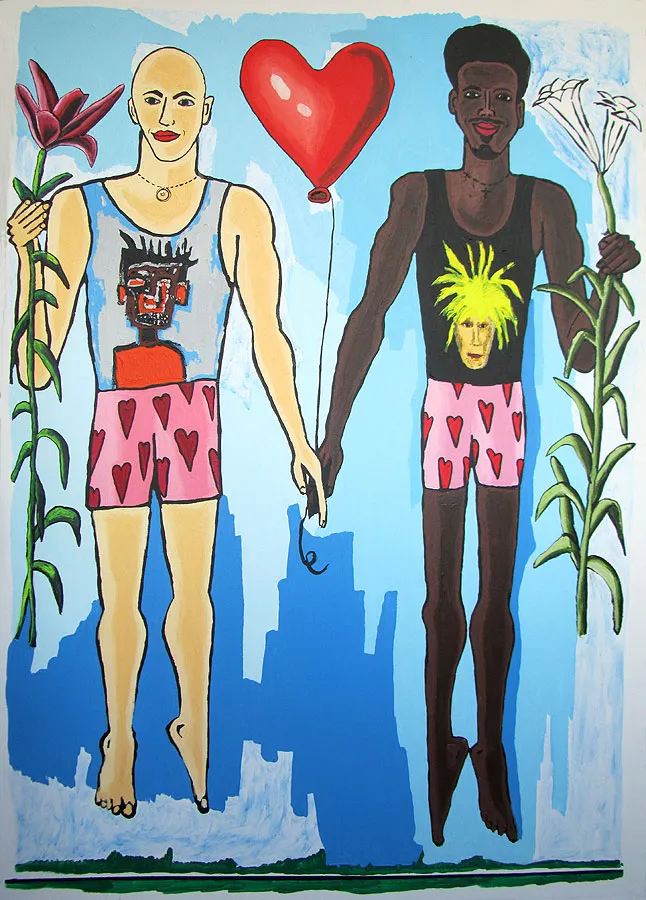
Photo: Raphael Perez Israeli Artist, CC BY 2.0, via Wikimedia Commons
The email seemed harmless. Something like, "Just need you to sign off so legal can close this out." Attached was a contract clause that gave the client — a mid-sized music festival in Austin — ownership of my illustration style, my sketch files, and, I swear I am not making this up, "all derivative works in perpetuity, throughout the universe."
I had been hired to draw one poster. One. For a flat fee of $1,200.
How the Whole Mess Started
I'd done festival posters before, and usually the conversation goes: you deliver the art, they use it on flyers and socials, everybody's happy. What I skipped — because I was flattered and busy and honestly a little behind on rent — was asking what rights they were actually purchasing.
That's the trap. The word "buy" was floating around in the original emails, and I assumed it meant buying the poster. It turned out they believed it meant buying me, or at least the part of my brain that makes the poster.
When I pushed back, their project manager responded with the sentence that lives rent-free in my head now: "Well, we paid for the work, so it's ours."
Nope. In the US, unless you've signed a work-for-hire agreement or explicitly assigned copyright in writing, the artist owns the copyright the moment the work exists. They paid for a license. They just didn't know it — and neither did I, because nobody had spelled it out.
The Three Flavors of Getting Paid
Let me save you the six weeks of back-and-forth I went through. In plain English, here's what clients are usually asking for:
Usage rights. This is the default for most freelance work. They pay to use your art in specific ways — say, digital promotion for one year, US only. You keep the copyright. If they want it on a billboard next year, that's a new conversation and, ideally, a new invoice.
Licensing. A broader version of the above. You still own everything; they get defined permissions, often with a longer runway or more territories. Think of it like leasing your art instead of selling the deed.
Full buyout (copyright assignment). They take the copyright. The work becomes legally theirs, and you can't even reprint it for your own portfolio without permission. This should cost dramatically more — we're talking multiples of a standard fee, not a rounding error — because you're giving up the ability to ever make money from that work again.
My client wanted a full buyout at poster prices. That's like paying for a rental car and expecting to keep it forever.
The Checklist I Wish I'd Had
After the dust settled — we landed on a two-year usage license with a modest bump in fee — I wrote myself a list of questions I now ask before signing anything:
- What exactly am I being paid for — the deliverable, or the rights to it?
- Who owns the copyright when this ends? (There should always be an "ends.")
- What's the scope — media, geography, duration? "All media, worldwide, in perpetuity" is a buyout wearing a usage costume.
- Are my sketch files, fonts, and process work included? Because they will ask for them later.
- What happens if the project dies mid-stream? Kill fees exist for a reason.
- Can I show this work in my portfolio? If the answer is no, price that restriction in.
- If they want a buyout, what's the buyout rate? Hint: not the same number as the license rate.
The Part That Stung
Here's what I keep coming back to: nobody at that festival was a cartoonish villain. They had a legal team doing what legal teams do — grabbing as much as the artist will hand over. The greed wasn't malicious; it was procedural. Which is exactly why "just sign it, it's standard" is the most expensive sentence in freelancing.
Standard for whom? Not for you. Not for the next client who wants your style. Not for the future version of you who wants to put that poster in a book or a gallery show or a re-release.
Your work isn't just the hours. It's the option value — every future use you're giving up when you sign it away. Price the options or keep them. But whatever you do, read past the part where they say "congrats, we loved it." That's where the claws are.