Wet Paint: Letting People Watch You Figure It Out
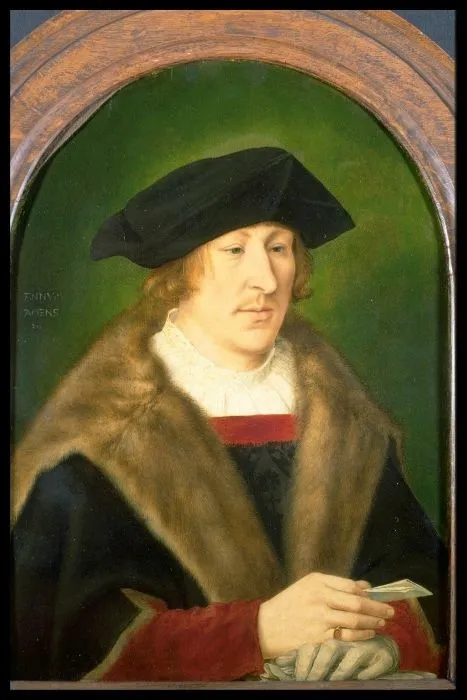
Photo: Quinten Metsys, Public domain, via Wikimedia Commons
There's a version of my studio I used to post: clean table, good light, finished piece centered like it appeared there by osmosis. It performed fine. Then one afternoon I posted a photo of a failed underpainting — muddy colors, proportions off, a note scribbled in the margin that just said "nope." That post got more genuine replies than anything I'd shared that year. Not hearts. Replies. People asking what went wrong, what I'd try next, whether I'd ever dealt with a certain brand of paint drying weird in southern humidity.
It took me an embarrassingly long time to understand what was happening. People weren't responding to the mess. They were responding to being trusted with it.
Why the Polished Feed Stopped Working
We've all been marinating in highlight reels for a decade now. The finished portfolio piece, the launch announcement, the magazine feature — audiences have built up a kind of immunity to all of it. Final products read as advertising, even when they're not. But a half-finished sketch? A draft with a crossed-out paragraph? That's not a pitch. That's a window.
The psychology is pretty simple when you sit with it. Watching something get made makes people feel like insiders, and insiders don't just consume — they invest. They come back to see how it ends. They tell their friends they "know" you. A collector once told me she bought a piece she'd watched come together over three months of process posts, and she described it less like buying art and more like sponsoring a journey. That's a fundamentally different relationship than scrolling past something pretty.
The Vulnerability Math
Now, the obvious fear: if I show the messy middle, someone will steal the idea, or decide I'm not as good as I claimed, or cringe at my struggle. I've thought about all three.
Here's how I'd frame the trade. Sharing process doesn't mean sharing everything. You can post the texture study without the composition. The color palette without the final layout. The sentence about a problem you solved without the solution itself. There's a difference between documenting a journey and publishing a blueprint, and you get to decide where that line sits for your own practice.
As for looking incompetent — I've found the opposite tends to happen. Showing the struggle, then showing the solve, actually builds more credibility than a feed of effortless wins. Everyone knows creative work is hard. Pretending it isn't is what makes people suspicious of you.
A Loose System That Won't Eat Your Week
The trap with process-sharing is turning it into a second job. So keep it dumb and repeatable:
- One photo, one sentence. Overhead shot of the desk, a line about where you're stuck or what you're testing. Ninety seconds, tops.
- Batch it. I shoot a week's worth of studio moments every Sunday and let them drip out. The process looks effortless, which is its own little irony.
- Save the failures on purpose. A folder of rejected drafts and dead-end sketches is a future content goldmine — and honestly, a better record of your growth than any finished piece.
- Keep one thing back. Whatever the core idea of the project is, that stays in the vault until it's ready. Absence creates anticipation. Anticipation creates an opening-day audience.
The Archive You Didn't Know You Were Building
Here's the part nobody mentions: all that documentation compounds. Two years into consistent process posts, you've accidentally built a searchable archive of your own development. Clients love it — it proves you can deliver, not just once, but repeatedly. It's material for grant applications, press kits, workshop decks. It's a portfolio with a spine.
And maybe more than that, it changes how you relate to your own work. When the middle is worth sharing, the middle stops feeling like something to survive. It becomes part of the practice instead of the thing between the practice and the payoff.
Wet paint, unglamorous and unfinished, turns out to be the most honest thing some of us have to offer. Turns out that's exactly what people wanted to see.