The Barista Focus Group: Testing Rough Ideas on People Who Owe You Nothing
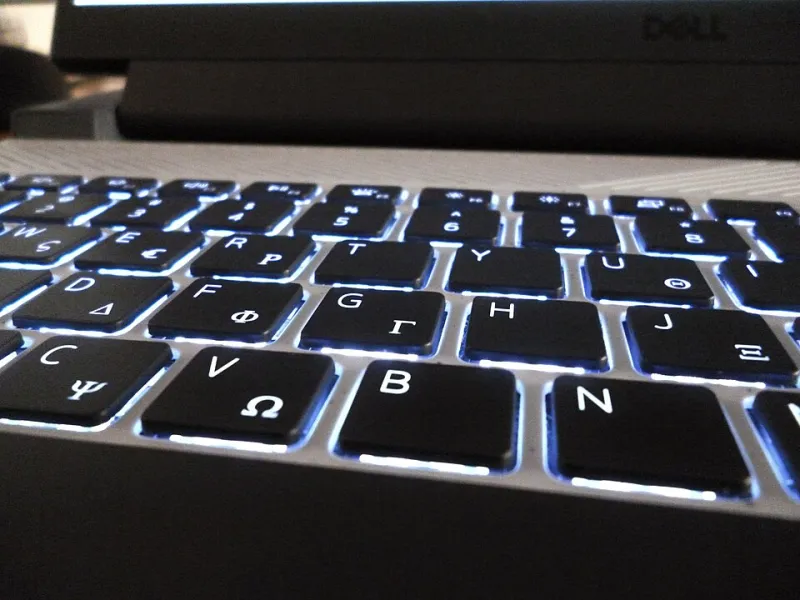
Photo: Gre123gr, CC0, via Wikimedia Commons
There's a corner table at the café near my apartment in Portland where I've done more user research than most agencies do in a quarter. Nobody there knows they're participating. That's the whole point.
I call it the barista focus group, and it started by accident about three years ago. I was stuck on a poster design for a client — the kind of stuck where you've stared at the same layout so long you can't tell if it's brilliant or garbage. I closed the laptop, went for coffee, and left the screen open when a guy waiting for his oat milk latte glanced over.
"Is that supposed to be a bird?" he asked.
It was not supposed to be a bird. But three other people that morning saw a bird, and the client later said the logo "felt unclear." The strangers caught it in eleven seconds. The client took two weeks to say it nicely.
Why Strangers Beat Your Friends
Here's the problem with showing work-in-progress to people in your orbit: everyone has a stake in your feelings. Your partner says it looks great because they love you. Your fellow designers give notes filtered through their own insecurities and a desire to seem smart. Your clients — and I say this with affection — are professionally diplomatic. "Interesting direction" can mean anything from "this changed my life" to "please burn it."
A stranger at a coffee shop has no such calculus. They get about four seconds of exposure, the same four seconds your actual audience will give it in the wild, and then they react. Sometimes the reaction is a shrug. Sometimes it's "huh, cool." Both are data.
The magic isn't in their taste. It's in the stakes. Nobody at that café is worried about hurting me, because they don't know me. Their reactions are raw in a way that paid focus groups spend thousands trying to simulate.
The Rules I've Landed On
After a few years of this, I've developed something like a protocol:
Show the work before you explain it. The moment you start narrating — "so this is for a client, and the concept is about growth, but..." — you've ruined the test. People get polite. Let them sit with the raw thing.
Never correct anyone's read. If they see a bird, they see a bird. Arguing with the reaction is arguing with the data. Write it down, say thank you, buy your coffee.
Keep it to one question. "Quick gut reaction?" works. "What do you think of the kerning?" does not. You're measuring first impressions, not running a critique session.
Rotate locations. If you haunt the same café long enough, the baristas become regulars, and regulars become invested, and invested people get kind. Kindness is the enemy of this entire exercise.
Know what you're testing. Some days it's clarity — does the message land? Some days it's energy — does this feel alive or like homework? Decide before you open the laptop, or you'll cherry-pick reactions to match your mood.
What This Actually Catches
The barista focus group won't tell you if your strategy is right. Strangers don't know the brief, the budget, or the client's weird attachment to the color teal. What it catches is the stuff you've gone blind to: the headline that reads wrong, the image that reads ominous instead of playful, the whole thing that's just... fine.
The "just fine" detection alone is worth it. When five people in a row say "oh, nice" in the flattest possible tone, you've learned something no client would ever tell you to your face. Clients hire you to be good, so they tell you when you're good. Strangers have no reason to lie, so they tell you when you're boring.
And there's a side benefit nobody warns you about: showing unfinished work to strangers is exposure therapy. Every creative person I know carries some fear of being seen mid-process — the messy file, the ugly draft, the idea that isn't ready. Testing rough work in public, at low stakes, with people who will forget you in ten minutes, takes the teeth out of that fear. By the time the real presentation comes, the vulnerability muscle is warm.
Your Mileage, and Your Table
You don't need my café. You need any place where people are captive but uninvested: a laundromat, a DMV line, a dog park (dog people will critique anything, lovingly). The venue matters less than the dynamic — brief exposure, zero relationship, no explanation.
One caveat: this is a gut-check tool, not a democracy. I've had strangers steer me wrong plenty, usually toward the safest, blandest version of an idea. The barista focus group tells you how work lands, not what it should be. You still have to have taste. You still have to make the call.
But when I'm staring at something at 2 a.m. genuinely unable to tell if it's any good, I've learned to trust a stranger with a muffin more than a colleague with a calendar invite. They're the closest thing I've found to the real world, before the real world gets a chance to vote.
Plus, the coffee's already there. Cheapest research budget I've ever had.