Nobody Asked For It, So I Made It Anyway: Confessions of a Client-Free Portfolio
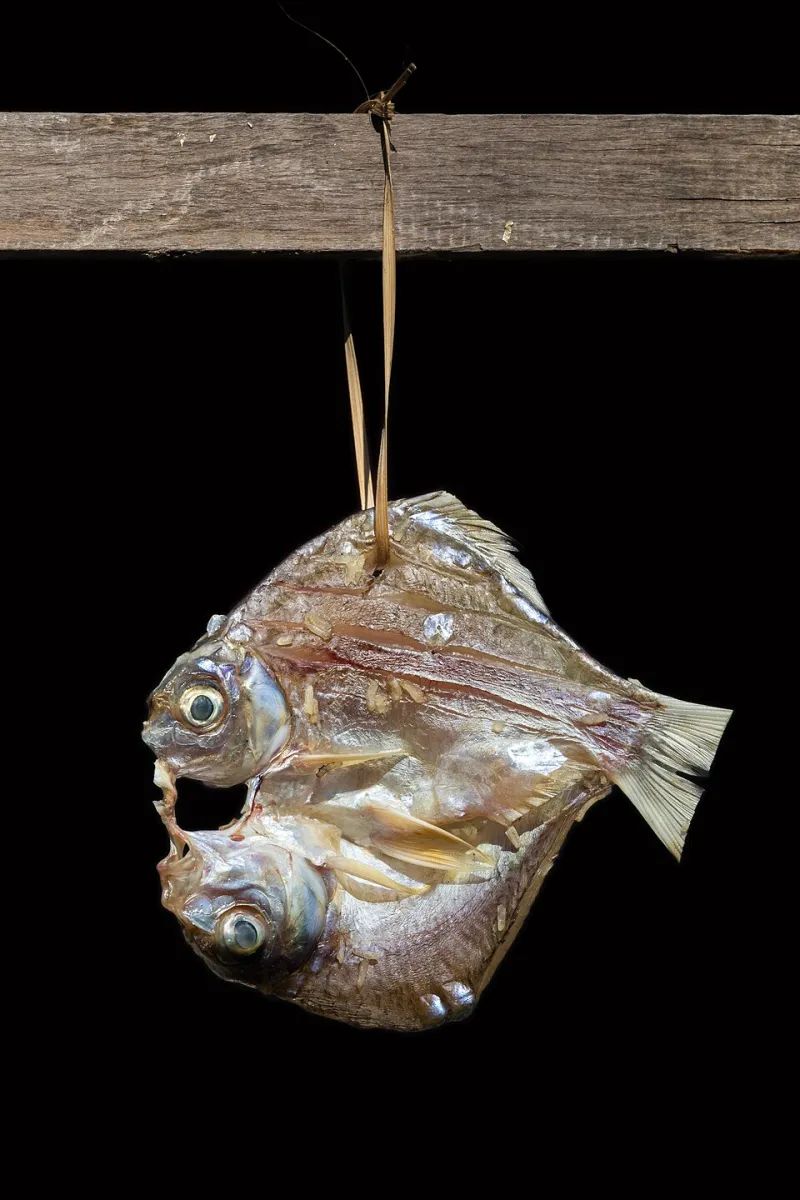
Photo: Basile Morin, CC BY-SA 4.0, via Wikimedia Commons
Somewhere around month nine of last year, I realized I hadn't made a single thing that a client hadn't asked for. Not one image, not one layout, not one half-formed idea that existed purely because I wanted to see it exist. Everything I touched had a brief attached, a deadline attached, and—inevitably—a round of notes attached.
That's the job. I get it. But somewhere in there, my own taste had started to feel like a rumor I'd heard about myself.
So I did something slightly unhinged: I built a portfolio for nobody.
The Rules I Gave Myself
It started as a dare with a friend over cheap tacos in Albuquerque. She said, "You always talk about the stuff you'd make if you had time. What if you just had time?" I didn't, obviously. But I carved out Sunday mornings—real ones, before my phone woke up—and set three rules.
One: no brief. If I couldn't explain why I was making something, that was fine. That was the point.
Two: no audience I owed anything to. Not a client, not an algorithm, not even my newsletter list. The only people who'd see it were friends I actually trust.
Three: no monetizing it. No "this could be a pitch deck" brain. The second I smelled money in it, the project would die the same death as every side hustle I've abandoned since 2016.
The Weird Panic of Total Freedom
Here's what nobody tells you about answering only to yourself: it's terrifying.
With client work, someone else's approval gives you permission to stop. You send the file, you wait, the notes come back, and eventually something ships. That loop, for all its friction, is a comfort. It means the work is real because someone is paying attention.
Alone on a Sunday with no one to impress, I kept hitting the same wall: how do I know if this is good? The answer, I eventually learned, is that you don't, and you keep going anyway. That muscle had atrophied. Years of external validation had quietly replaced my own judgment, and I hadn't even noticed it happening.
There were Sundays I made nothing. There were Sundays I made something and immediately hated it. I kept a note on my phone that just said "STOP APOLOGIZING TO NOBODY" because I kept writing emails in my head—sorry, I know this is a bit different—to clients who did not exist.
What I Actually Made
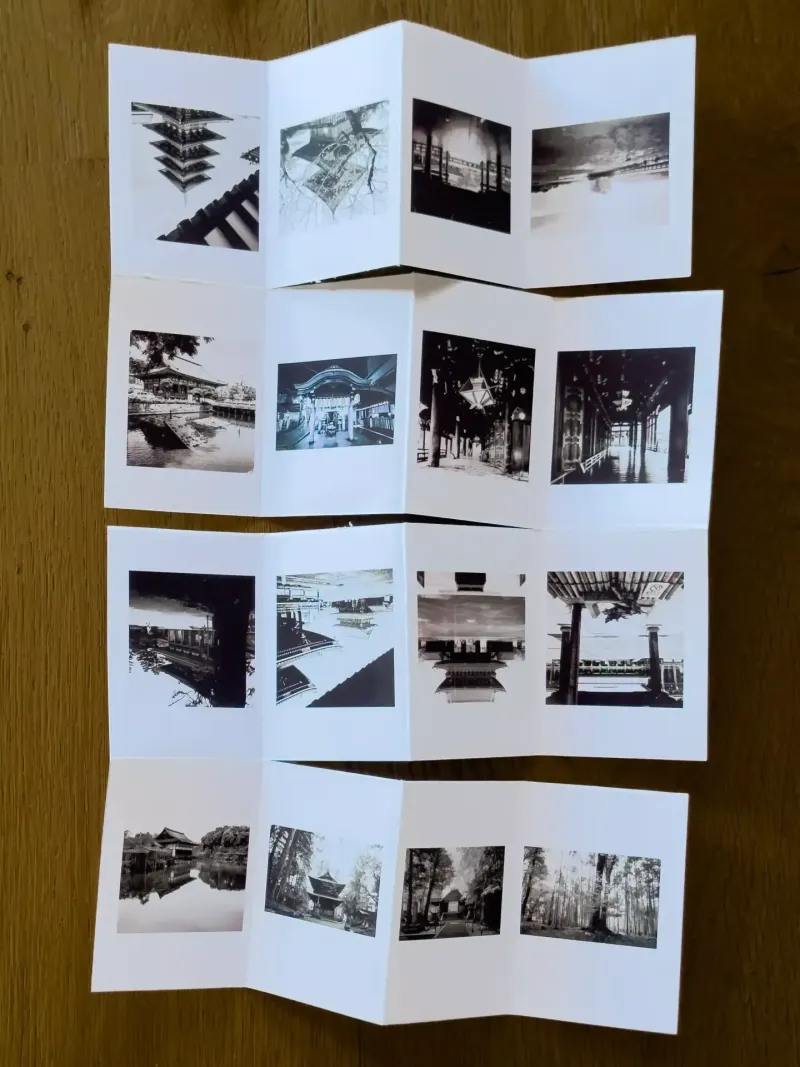
Without giving away the whole thing, it became a small, strange series of portraits and text pieces about the people in my neighborhood—the guy who repairs neon signs, the woman who's run the laundromat since before I was born, my barber who talks about his late wife like she just stepped out for milk. Work I'd been photographing in my head for a decade and never had a reason to make.
No client would ever commission it. That's exactly why it needed to exist.
The Part I Didn't See Coming
I showed the whole thing to maybe fifteen friends at a low-key hang in my backyard. Printed copies on a folding table, like the world's least ambitious gallery opening. No launch, no email sequence, no "link in bio."
And then the strangest thing happened. A friend mentioned it to someone at a regional arts council. Another friend's partner runs a small museum two states over. Within two months, I had more genuine, exciting conversations about my work than I'd had in the previous two years of pitching.
Here's the thing I keep turning over: none of those opportunities came from me selling. They came from people seeing what I make when nobody's paying. Clients can smell the difference. So can friends. Work made purely out of curiosity has a pulse that commissioned work, however competent, often doesn't.
What I'd Tell My Past Self
If you're reading this between rounds of client revisions, feeling like your own taste is a rumor, here's my honest advice:
Make the thing nobody asked for. Show it to people who love you and owe you nothing. Don't monetize it yet. Don't optimize it for anything. Just find out what your voice sounds like when there's no one to approve it.
The portfolio I built for nobody ended up introducing me to everybody. But that was never the point—and that's exactly why it worked.