What Forty Actually Feels Like: Ten Creatives Get Honest About the Worry They'd Take Back
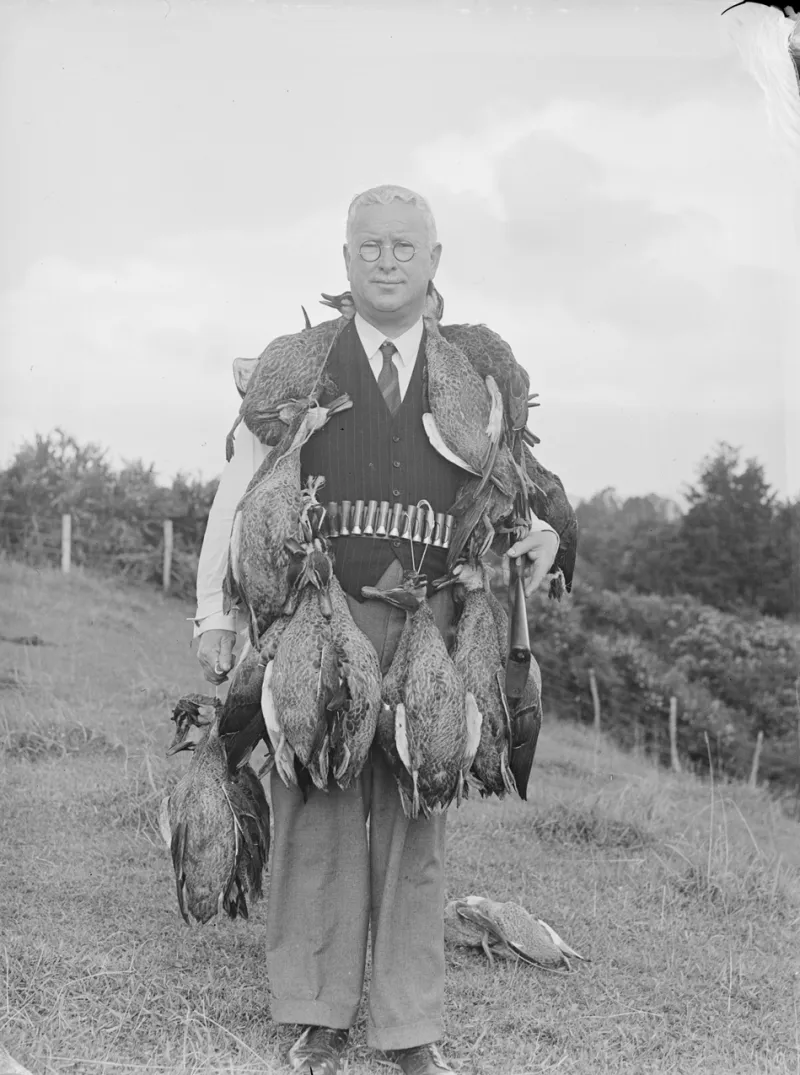
Photo: Collins, Tudor Washington, 1898-1970, photographer, CC BY 4.0, via Wikimedia Commons
Somewhere around the fourth or fifth birthday cake with a big round number on it, creatives tend to have the same quiet crisis. Not the loud kind — no dramatic career exits or ill-advised motorcycles. Just a low hum of is this it? did I peak? should I have pivoted to UX?
I've been having these conversations constantly lately, so I decided to formalize the habit. I called ten creative people around the country — a type designer in Brooklyn, an illustrator in Nashville, a hobbyist potter in Columbus, a composer in Portland, and six others who all asked to keep their jobs anonymous-ish. One question: what do you wish you'd stopped worrying about a decade ago?
Their answers rearranged something in me. Here they are, lightly edited, in no particular order.
1. "The timeline I invented at 25."
A designer in Chicago told me she'd built a mental career map at twenty-five — creative director by 35, studio of her own by 40 — and spent a decade treating the map as a verdict. "The map wasn't a prophecy. It was just anxiety wearing a spreadsheet."
2. "Being the youngest person in the room."
An art director in Atlanta said he built his whole early identity on being the kid with fresh ideas. Turning 40 meant grieving that. "Then I realized the room still wants ideas. Nobody's checking your birth certificate first."
3. "That the hobby has to become the job."
This one came from Marcus, the Columbus potter, who sells mugs at two farmers markets a year and refuses to scale. "I spent my thirties feeling guilty that I hadn't monetized ceramics. Forty taught me that a thing can just be a thing. The kiln doesn't care about my brand."
4. "Every trend cycle."
The Nashville illustrator was blunt: "I used to redraw my whole portfolio every time the algorithm hiccuped. Now I make the work I'd want to see, and weirdly, the clients come to that." Her waiting list is eight months long, for what it's worth.
5. "Needing everyone to get it."
A composer in Portland said his thirties were spent writing music he thought would please critics who, he admits now, were mostly imaginary. "The audience I have is real. The audience I feared was a ghost."
6. "The résumé gap."
A photographer in Denver took two years off to care for her mother. She spent those years convinced her career was over. "It turned out clients don't audit your life. They ask if you can shoot the thing. I could shoot the thing."
7. "Comparison at the speed of Instagram."
Nearly everyone brought this up, but a lettering artist in Minneapolis said it best: "I was comparing my Tuesday afternoon to someone's launch announcement. That's not a fair fight, and it was never a real one."
8. "That asking for money means I'm not a real artist."
An animator in LA confessed she undercharged for a decade out of some warped purity logic. "Scarcity isn't artistic integrity. It's just scarcity. The raise I finally asked for didn't make the work worse. It made the work possible."
9. "Finishing everything."
A sculptor in Santa Fe keeps a studio full of unfinished pieces and calls them "compost." "At 30, every abandoned idea felt like a failure. At 40, I understand some ideas are just food for the next one."
10. "That it's too late to start the new thing."
The type designer in Brooklyn — the most established person I spoke to — saved this for last. She started learning glassblowing at 39. "I thought I'd wasted my beginner years. Turns out beginners with forty years of taste learn terrifyingly fast."
The Pattern Underneath All Ten
Sitting with these conversations, I noticed none of the confessions were about talent, technique, or even success. They were all about permission — permission to be mid-career and still figuring it out, to have a hobby, to charge properly, to be bad at something new.
The anxiety of 30 is loud and specific: make it, prove it, post it. The freedom of 40, according to everyone I talked to, is quieter and stranger: nobody was watching as closely as you thought, and the ones who matter were never keeping score.
If you're staring down a milestone birthday with a portfolio and a pit in your stomach, take the potter's advice. The kiln doesn't care about your brand. Make the thing anyway.